





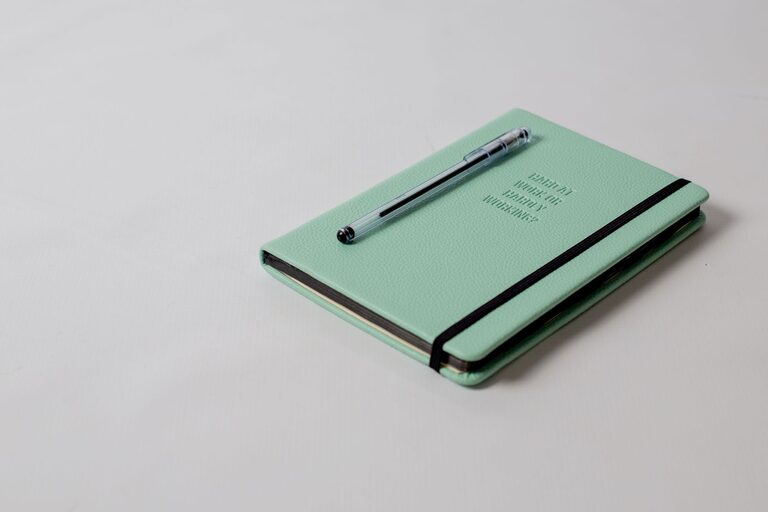
Choosing the right notebook might seem like a simple task, but finding one that you’ll actually use regularly takes a bit more thought. Whether it’s for jotting down ideas, planning projects, or journaling, the perfect notebook can boost your productivity and creativity. In this guide, we’ll explore key considerations to help you pick a notebook that suits your lifestyle and keeps you motivated.
Why Choosing the Right Notebook Matters
Many people buy notebooks with good intentions but never end up using them. This often happens because the notebook doesn’t match their preferences or needs. When you choose a notebook thoughtfully, it becomes an enjoyable tool rather than just another item cluttering your desk.
Identify Your Purpose
Before you start browsing, it’s helpful to think about how you plan to use your notebook. This will guide your choice in terms of size, layout, and features.
– Journaling: If you want to document thoughts, feelings, or daily events, consider notebooks with lined or dotted pages for flexibility.
– Note-taking for work or school: Look for notebooks with clear, ruled lines and durable covers to withstand daily use.
– Sketching or creative work: A notebook with blank pages or thick paper is ideal to prevent ink bleed and give space for drawings.
– Planning and organizing: Choose notebooks with grids, dot grids, or planners with dated pages for easy scheduling.
Consider the Size and Portability
Notebooks come in many sizes—pocket-sized, A5, letter, and more. Think about where and how you’ll use it:
– On-the-go: Smaller notebooks (like A6 or pocket sizes) fit easily into bags and are great for quick notes or ideas.
– Desk use: Larger sizes (such as A4 or letter-size) provide more space for detailed work and can be easier on the eyes.
– Balanced choice: A5 notebooks are popular for being portable yet spacious, a good middle ground for many users.
Choose the Right Paper Type and Quality
The feel of the paper can make a big difference. Here are some points to remember:
– Weight: Paper weight is measured in grams per square meter (gsm). Heavier paper (above 80 gsm) is less likely to bleed through.
– Texture: Smooth paper is ideal for writing with fountain pens or gel pens, while textured paper is often preferred for sketching.
– Color: Traditional white paper is common, but cream or off-white paper can feel softer on the eyes and add a vintage charm.
Decide on the Binding Style
Your notebook’s binding affects durability and how it opens:
– Spiral-bound: Pages lie flat and are easy to flip, but spirals can get bent or caught.
– Perfect bound: Like a paperback book, this is stylish and compact but may not lay flat easily.
– Thread-sewn or stitched: Durable and often allows the notebook to lie flat; great for long-term use.
– Disc bound or customizable: Allows pages to be added or removed, perfect for flexible planning.
Consider Additional Features
Think about any extras that might make your notebook more enjoyable or functional:
– Page numbers and index pages for easy navigation.
– Built-in bookmarks or elastic closures to keep your place and secure your notebook.
– Pocket folders for storing loose papers or stickers.
– Perforated pages for easy removal.
– Hardcover vs. softcover: Hardcovers protect better but add weight; softcovers are lighter but less durable.
Reflect on Your Personal Style
A notebook you love looking at is more likely to inspire you to use it. Consider:
– Color: Choose a color that makes you happy or fits your personality.
– Cover design: Plain, patterned, inspirational quotes, or themed covers can suit different tastes.
– Material: Leather, faux leather, fabric, or cardboard covers offer different textures and appearances.
Try Before You Buy
If possible, visit a store to feel different notebooks in your hands. Flip through the pages to see how they lie, and test the paper with your preferred writing tools.
Tips for Making the Most of Your Notebook
– Set a purpose for your notebook to keep your focus clear.
– Create a simple system like an index or table of contents.
– Use it consistently, even if just for a few minutes a day.
– Personalize it with stickers, washi tape, or doodles to make using it more fun.
Final Thoughts
Choosing a notebook you’ll actually use comes down to matching your preferences, needs, and lifestyle. Take your time exploring options and trust your instincts. Once you find the right one, your notebook can become a cherished companion for creativity, organization, and reflection.
Happy notebook hunting!




More Stories