





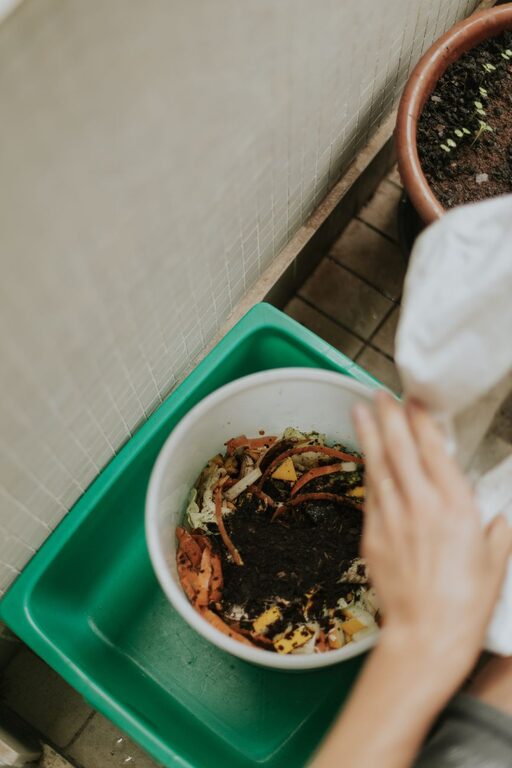
Composting at home is a fantastic way to reduce waste, enrich your garden soil, and contribute to a healthier environment. If you’re new to composting, the process might seem overwhelming at first, but it is actually straightforward and highly rewarding. This guide will walk you through the basics and offer practical beginner tips to help you get started with composting at home.
What is Composting?
Composting is the natural process of recycling organic matter—like food scraps, leaves, and grass clippings—into a rich soil amendment called compost. Compost helps improve soil structure, provides nutrients to plants, and supports beneficial microorganisms.
Benefits of Composting at Home
– Reduces waste: Composting diverts food scraps and yard waste from landfills.
– Improves soil health: Compost adds essential nutrients and enhances soil texture.
– Saves money: Avoid buying commercial fertilizers and soil conditioners.
– Supports sustainability: Reduces your carbon footprint and promotes natural recycling.
Getting Started: Choosing a Composting Method
There are several ways to compost at home. Choose one that fits your space, budget, and needs.
Backyard Composting
– Ideal if you have a yard or garden.
– Use a compost bin, tumbler, or a simple pile.
– Requires moderate effort and space.
Indoor Composting (Vermicomposting)
– Uses worms (usually red wigglers) to break down food scraps.
– Suitable for apartments or limited outdoor space.
– Produces compost quickly but requires more care.
Bokashi Composting
– A fermentation method using special microbes.
– Can handle meat and dairy scraps safely.
– Needs a sealed container and a follow-up composting stage.
Beginner Tips for Successful Composting
1. Balance Your Greens and Browns
Compost needs a mix of “green” nitrogen-rich materials and “brown” carbon-rich materials.
– Greens: Vegetable scraps, coffee grounds, fresh grass clippings.
– Browns: Dry leaves, cardboard, shredded newspaper, straw.
Aim for roughly 2 to 3 parts browns to 1 part greens. This balance helps compost break down efficiently without odors.
2. Chop or Shred Materials
Smaller pieces decompose faster. Before adding things to your compost, chop large scraps or shred leaves and paper.
3. Keep Your Compost Moist
Your compost pile should be as damp as a wrung-out sponge. Too dry, and decomposition slows; too wet, and it can smell.
4. Turn Your Compost Pile Regularly
Aerating the compost by turning it every 1–2 weeks speeds up decomposition by providing oxygen to microbes.
5. Avoid Adding Meat, Dairy, and Oils
These can attract pests and cause odors. Stick to fruits, vegetables, coffee grounds, eggshells, and yard waste.
6. Monitor Temperature
A well-maintained compost pile heats up as microbes break down materials. Warmth helps kill pathogens and seeds. Use a compost thermometer if you want to monitor.
7. Be Patient
Composting takes time. Depending on conditions, finished compost may take from a few months to a year. Finished compost looks dark, crumbly, and smells earthy.
Setting Up Your Home Compost Bin
- **Choose a bin:** Select a compost bin suitable for your space—a closed bin helps keep pests out.
- **Location:** Place your bin in a convenient spot with good drainage and some sunlight.
- **Start layering:** Begin with a layer of coarse browns at the bottom to aid airflow.
- **Add scraps:** Alternate greens and browns.
- **Maintain:** Remember to keep moisture balanced and turn the pile regularly.
Common Composting Challenges and Solutions
– Bad odor: Usually from too much moisture or greens. Add more browns and turn the pile.
– Pests: Use a closed bin and avoid adding meat or oily foods.
– Slow decomposition: Chop materials smaller, maintain moisture, and turn pile more frequently.
Using Your Finished Compost
Once ready, compost can be mixed into garden beds, used as mulch, or added to potting soil. It boosts soil fertility and helps plants thrive.
Final Thoughts
Starting a composting routine at home is a simple step toward reducing waste and improving your garden. By following these beginner tips, you’ll develop a healthy compost pile that benefits both your plants and the planet. Happy composting!
—
If you want to learn more or have questions about composting, feel free to leave a comment below!



More Stories