





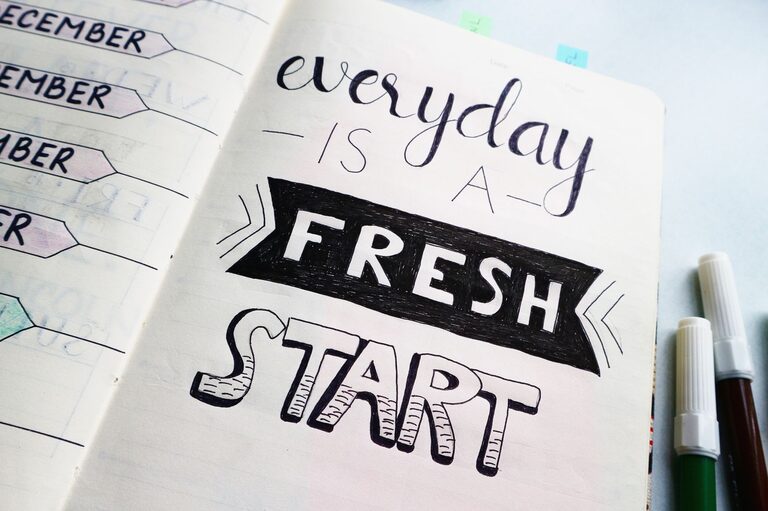
Creativity is often thought of as a talent that only a few possess, but in reality, it’s a skill that anyone can develop with practice. Making creativity a part of your everyday routine not only enhances your problem-solving abilities but also brings joy and fulfillment to your life.
If you’re wondering how to bring more creativity into your day without feeling overwhelmed, this guide offers simple, practical ways to do just that. Whether you’re an artist, a writer, or simply looking to think more imaginatively, these ideas will help you unlock your creative potential.
Why Practice Creativity Daily?
Before diving into the tips, it’s helpful to understand why daily creativity matters. Like any skill, creativity strengthens with regular exercise. Engaging your creative mind frequently helps:
– Boost problem-solving skills
– Reduce stress and improve mood
– Enhance focus and productivity
– Foster innovation in work and personal life
By setting aside time for creative activities, you nurture your brain’s ability to make new connections and think outside the box.
Easy Ways to Practice Creativity Every Day
1. Keep a Creativity Journal
Writing down your ideas, sketches, or thoughts can be a great daily practice. A creativity journal serves as a personal space to capture inspiration—no matter how small or random.
How to get started:
– Dedicate a notebook or digital document for your journal.
– Spend 5–10 minutes a day jotting down ideas, doodling, or reflecting on creative concepts.
– Don’t worry about quality; focus on free expression.
2. Explore New Perspectives
Creativity often comes from seeing things differently. Try to look at everyday objects or situations with fresh eyes. Asking “what if” questions can open up new possibilities.
Try this simple exercise:
– Choose an object at home or outside.
– List five unusual uses or stories related to that object.
– This practice encourages associative thinking, a key element of creativity.
3. Set a Small Creative Challenge
Daily challenges are a fun way to push your creative limits without pressure. You can tailor challenges to your interests.
Examples include:
– Write a six-word story each morning.
– Take a photo of something that inspires you every day.
– Create a quick sketch in 5 minutes.
The goal is to build the habit of creating regularly.
4. Take Breaks and Move
Physical movement can stimulate brain activity and improve creativity. Stepping away from tasks and engaging in a walk or light exercise helps your mind relax and connect ideas.
Tip:
– Use break time to stretch or take a brisk walk around the block.
– Avoid screens during breaks to give your imagination space to wander.
5. Limit Screen Time and Embrace Analog Activities
While technology offers many creative tools, too much screen time can limit spontaneous thinking. Try to balance digital time with analog activities like drawing, crafting, or writing by hand.
Benefits:
– Reduces distractions
– Enhances sensory experience
– Stimulates different brain regions linked to creativity
6. Collaborate and Share Ideas
Creativity can flourish through interaction. Talking about your ideas or working with others exposes you to new viewpoints and feedback.
Ways to collaborate:
– Join local art, writing, or hobby groups.
– Participate in online forums or creative communities.
– Share your work with friends or family and invite discussion.
7. Practice Mindfulness and Observation
Mindfulness helps you become more aware of your surroundings and inner thoughts. This heightened awareness feeds creativity by opening your mind to details often overlooked.
Try mindfulness activities:
– Spend five minutes each day observing your environment in silence.
– Focus on colors, shapes, sounds, and textures.
– Reflect on feelings or memories these observations inspire.
8. Read and Explore Different Subjects
Exposure to new information fuels creativity. Reading books, watching documentaries, or listening to podcasts outside your usual interests broadens your knowledge base and sparks inspiration.
Suggestions:
– Read a poem or short story daily.
– Dive into a topic you’re unfamiliar with once a week.
– Note down ideas or questions that arise.
Staying Consistent with Your Creative Practice
Building a daily creativity habit doesn’t have to be time-consuming. Start small, and gradually increase your efforts as you feel comfortable. Here are some tips to maintain consistency:
– Schedule creative time: Put it on your calendar like any other appointment.
– Be kind to yourself: Creativity isn’t about perfection but expression.
– Celebrate progress: Notice improvements and new ideas even if they seem minor.
– Mix it up: Try different activities to avoid boredom and keep motivation high.
Final Thoughts
Creativity is not just for artists or writers—it’s a valuable skill that anyone can develop. By incorporating these simple daily practices, you’ll find yourself thinking more creatively and enjoying the process of making new connections. Start today by choosing one or two activities that resonate with you, and watch how your creative mindset grows over time.




More Stories